


For many startups and scaleups, pursuing ISO 27001 certification can feel daunting. Is it just for large enterprises? Is it all paperwork? And how long does it really take?
In a recent webinar, “ISO 27001 Certification: Real Talk with PJR — What Startups & Scaleups Should Know,” Tom Wheat, Country Manager for PJR UK and Europe, unpacked the realities of the certification process. He explored the stages,
timelines, common myths, and how smaller organizations can succeed with limited resources.
Understanding the ISO 27001 Certification Journey
Tom began by clarifying what the ISO 27001 journey truly looks like — from preparation to certification.
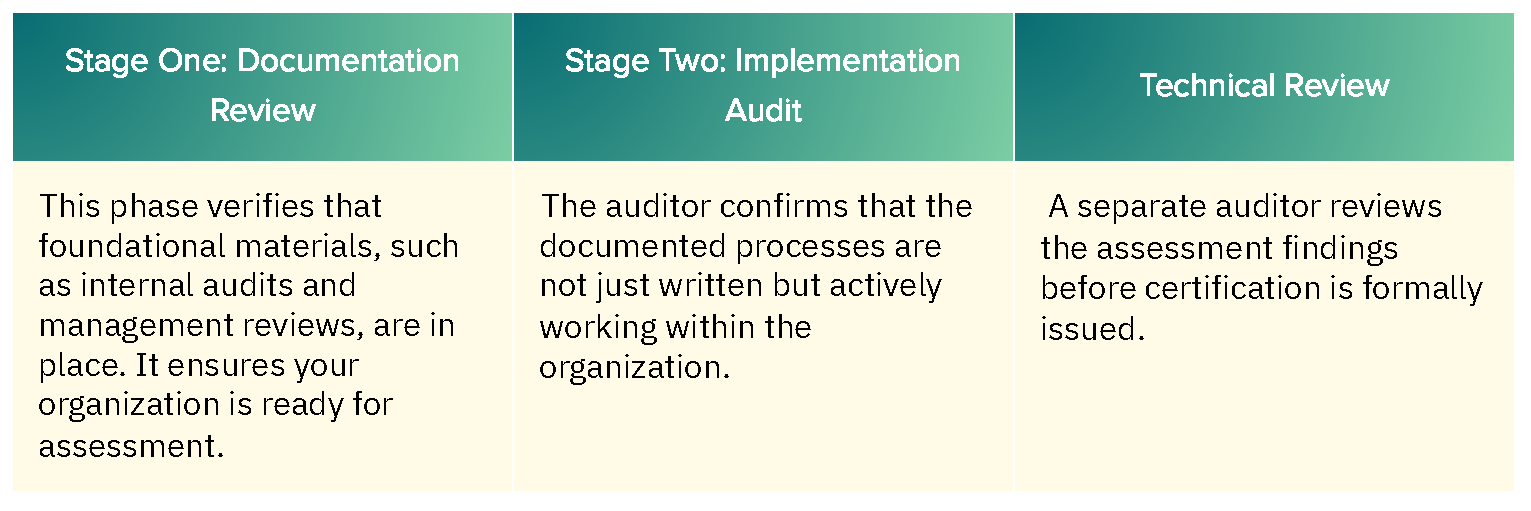
Tom emphasized that certification operates on a three-year cycle, with annual surveillance audits in years two and three to verify continual improvement, followed by a recertification audit in year four.
Importantly, ISO 27001 is built on continual improvement — organizations must show progress each year to maintain compliance.
Myth-Busting: What ISO 27001 Is Not
Both experts tackled common misconceptions about ISO 27001 head-on.
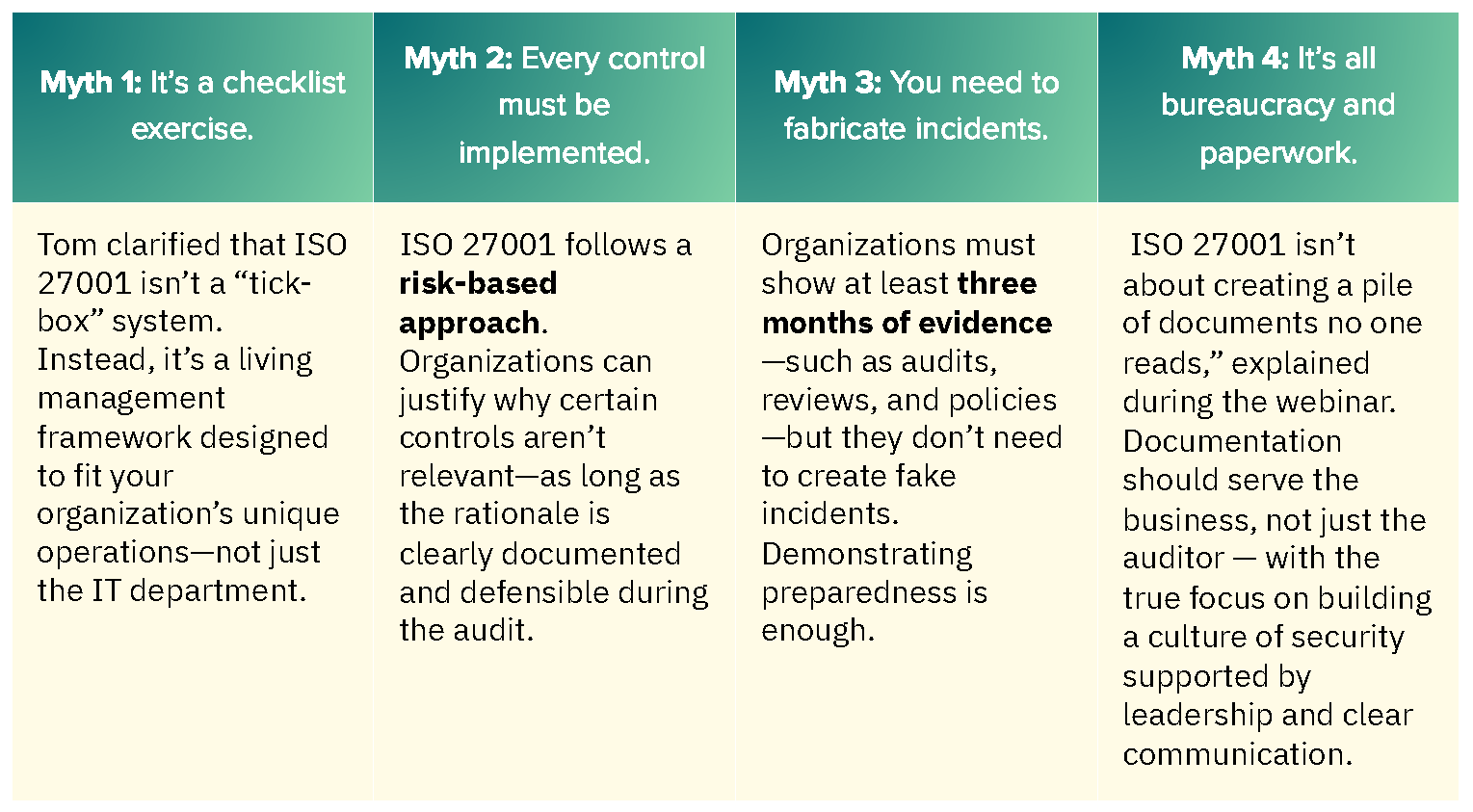
Tom added that top management involvement is vital: “If the CEO isn’t engaged, it doesn’t work. Culture must come from the top.”
Accessible and Affordable for Small Teams
One of the biggest takeaways from the discussion was that ISO 27001 certification is achievable—even for startups and small businesses.
Tom explained that remote audits have dramatically reduced costs by eliminating travel and accommodation expenses. “We have over 200 clients with fewer than five employees who have achieved ISO 27001 certification,” he said.
PJR’s streamlined quoting process allows organizations to receive a quote within two hours of a short Teams call, making the onboarding experience fast and approachable.
For smaller businesses navigating tenders or supply chain requirements, PJR offers a Pending Letter of Certification — an official document confirming that an audit is scheduled. This letter can be used to demonstrate compliance readiness while the certification is finalized.
Beyond Certification: Growth and Ongoing Improvement
Certification doesn’t end when the plaque goes on the wall — it’s just the beginning.
Tom highlighted the tangible benefits organizations experience after certification:
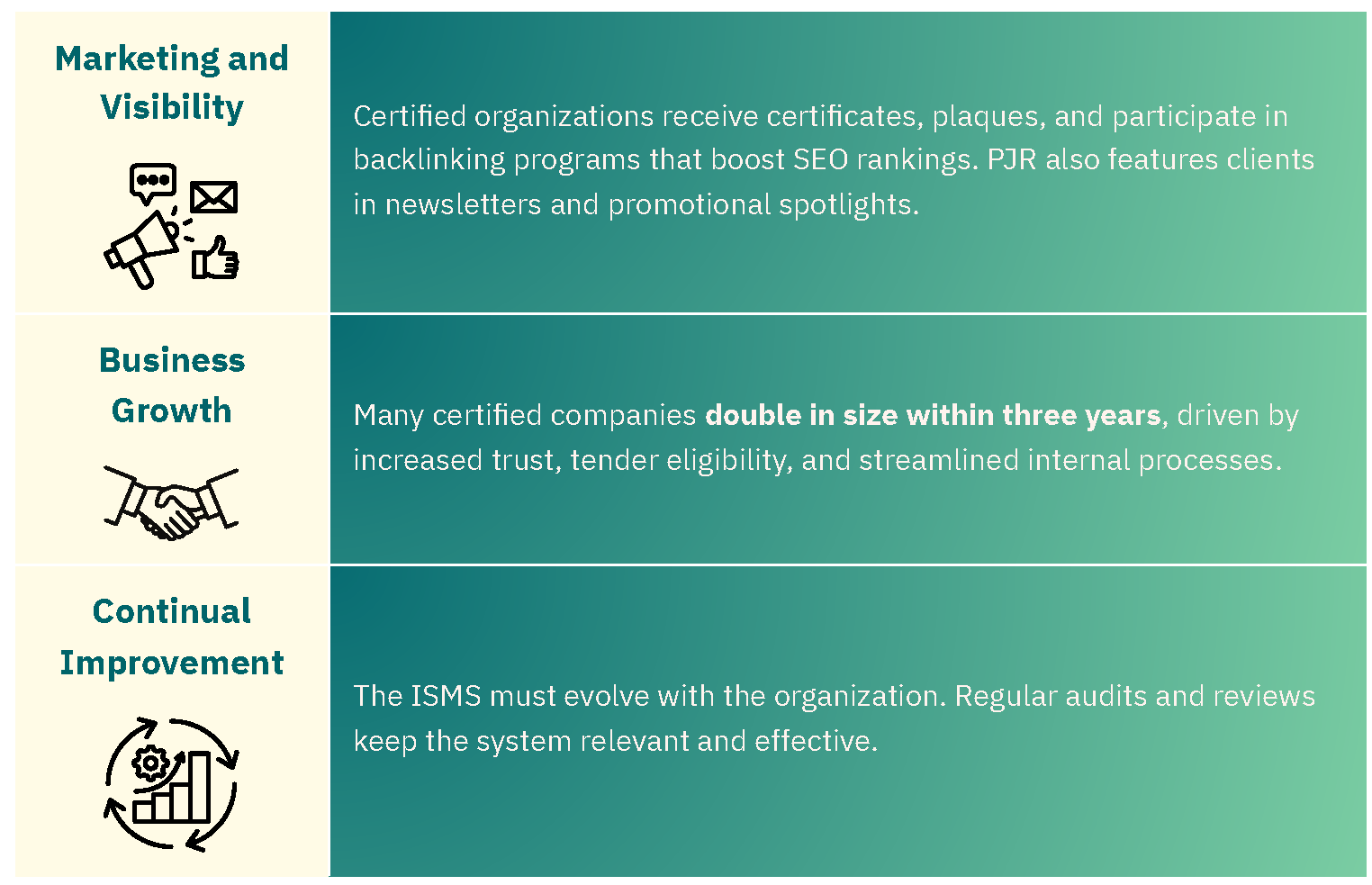
ISO 27001 isn’t just about compliance — it’s about embedding better habits. It helps teams make their policies come to life through training, engagement, and culture-driven practices.
How Fast Can Certification Happen?
Addressing the topic of “fast-track” ISO certification, Tom warned against unrealistic marketing claims. “We need a minimum of three months of documented evidence before conducting an audit,” he said.
That evidence period begins once key documents are dated. After that, Stage One and Stage Two audits can be scheduled, followed by a technical review. Most certificates are issued within one week of the review.
In short: Three months of evidence plus one week for certification — that’s the realistic timeline.
ISO 27001 and CMMC: Overlap Without Conflict
During the Q&A, attendees asked about potential conflicts between ISO 27001 and the CMMC (Cybersecurity Maturity Model Certification).
Tom and Tami, a U.S.-based PJR colleague, confirmed there are no direct conflicts between the two frameworks, and many requirements overlap. Both systems reinforce strong, risk-based information security practices.

Rapid-Fire Myth Busting
Tom closed the session with a quick myth-busting round:
- Stage One isn’t just a warm-up.
- A full-time CISO isn’t required.
- Using AWS doesn’t automatically make you compliant.
- Templates alone won’t get you certified.
- ISO 27001 doesn’t kill start-up agility.
- Be open with your auditor — transparency adds value.
Final Thoughts
Achieving ISO 27001 certification doesn’t have to be intimidating. As Tom summarized, “It’s not just about the certificate — it’s about protecting your organization and unlocking new opportunities.”
With the right support, clear communication, and a commitment to continual improvement, startups and scaleups can confidently reach certification and leverage it for long-term growth.
Whether you’re beginning your ISO journey or seeking to recertify, the PJR UK team is ready to assist.